Hip Replacement
Hip Replacement Surgeon in Magarpatta – Expert Care by Dr. Parimal Kore
Hip pain that refuses to go away can quietly take over daily life. Climbing stairs feels harder, sitting cross-legged becomes impossible, and even a short walk leaves the joint aching for hours afterward. For many people, this is not just wear and tear that will settle with rest — it is a sign that the hip joint itself has worn down and needs a closer look.
If you have been searching for a Hip Replacement Surgeon in Magarpatta, Dr. Parimal Kore, MBBS, DNB (Orthopedics), has spent 15+ years treating patients with hip and joint conditions and currently serves as Managing Director of Racemous Polyclinics. He believes that most hip problems can be understood clearly once a patient knows what is actually happening inside the joint, and that surgery should only be discussed once simpler options have been considered.
What Is Total Hip Replacement Surgery
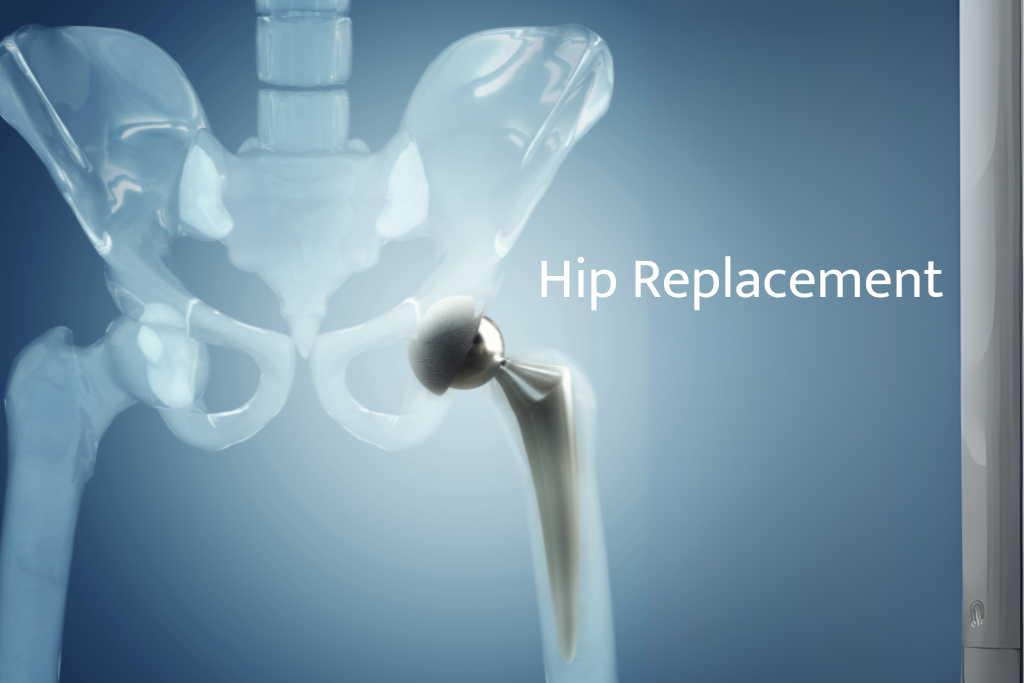
Total hip replacement is a surgical procedure where the damaged ball-and-socket surfaces of the hip joint are removed and replaced with artificial implants made of metal, ceramic, or high-grade plastic. The goal is to restore smoother movement and reduce the pain caused by bone rubbing against bone.
This procedure is typically considered only after the cartilage cushioning the hip joint has worn away significantly, usually due to arthritis, injury, or long-term joint degeneration. It is one of the more predictable orthopedic procedures, though outcomes still depend on the patient’s bone quality, age, and overall health.
When Is This Treatment Needed
Not every hip ache needs surgery. Doctors usually consider Total Hip Replacement Surgery only when pain becomes constant, movement is restricted even during rest, and conservative treatments like medication, physiotherapy, or injections no longer bring relief. Night pain that disrupts sleep is another common indicator that the joint has deteriorated beyond what medicines can manage.
Symptoms That Should Not Be Ignored
- Persistent hip or groin pain lasting several months
- Stiffness that makes it hard to put on socks or shoes
- A limp that has developed gradually
- Pain that worsens with walking or standing
- Reduced hip movement compared to the other side
- Pain that disturbs sleep at night
- Grinding or clicking sensation in the joint
If several of these symptoms sound familiar, it is worth getting the joint examined properly rather than assuming it is ordinary age-related discomfort.
Common Causes of Hip Joint Damage
Osteoarthritis remains the most frequent reason for hip deterioration, especially in people above 55. Rheumatoid arthritis, avascular necrosis (loss of blood supply to the bone), old fractures that healed poorly, and childhood hip disorders can all accelerate joint wear much earlier in life. Repeated stress on the joint from obesity or heavy manual work can also contribute over the years.
Who Is a Suitable Candidate
Candidate Checklist
- Diagnosed with advanced arthritis or significant joint damage on X-ray
- Pain not controlled by medication or physiotherapy for 6+ months
- Difficulty performing daily activities like walking, sitting, or climbing stairs
- No active infection in the body
- Medically fit for anesthesia and surgery
- Realistic expectations about recovery and outcomes
A detailed clinical examination and imaging are always needed before confirming candidacy, since age alone does not decide whether someone needs surgery.
Diagnosis
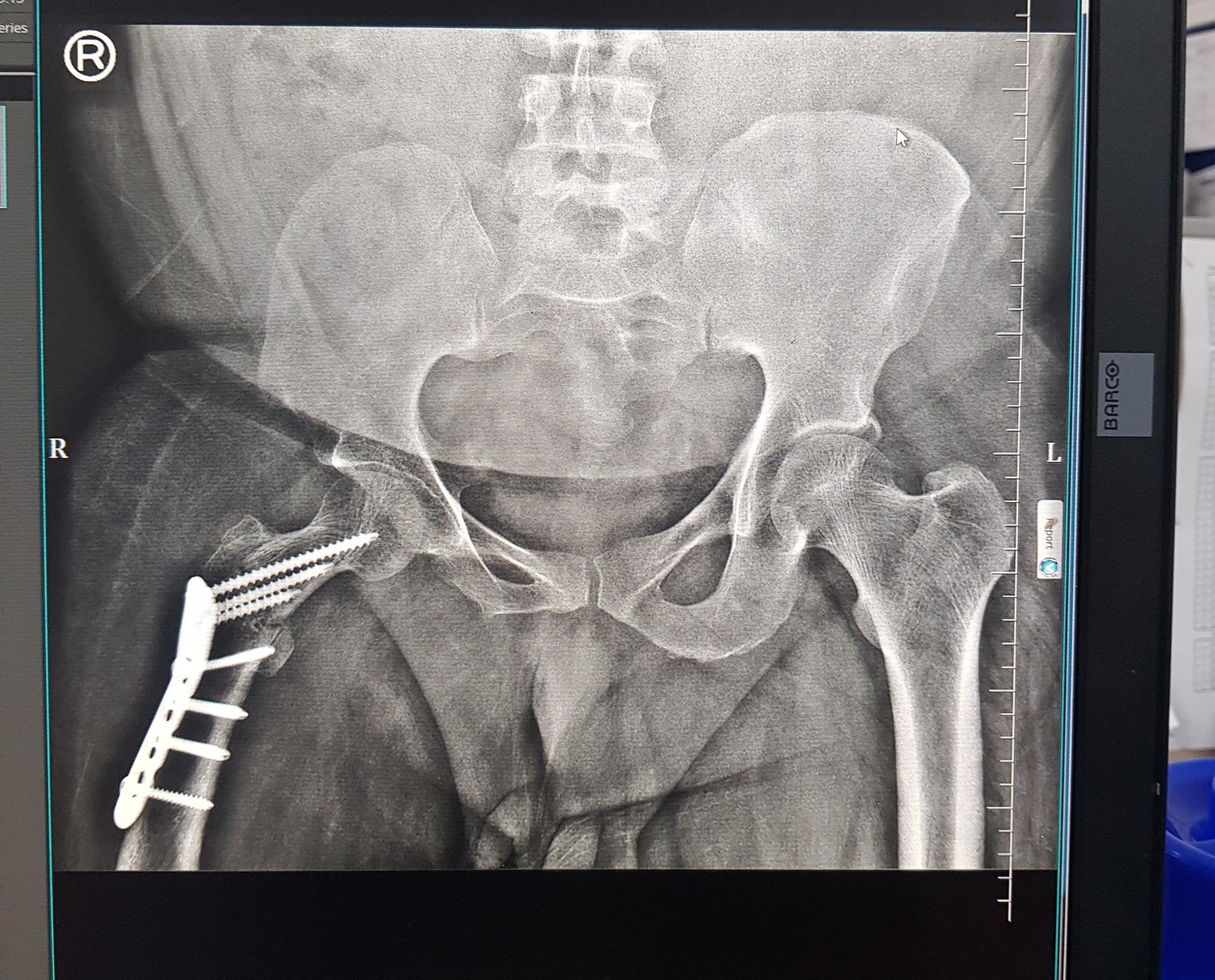
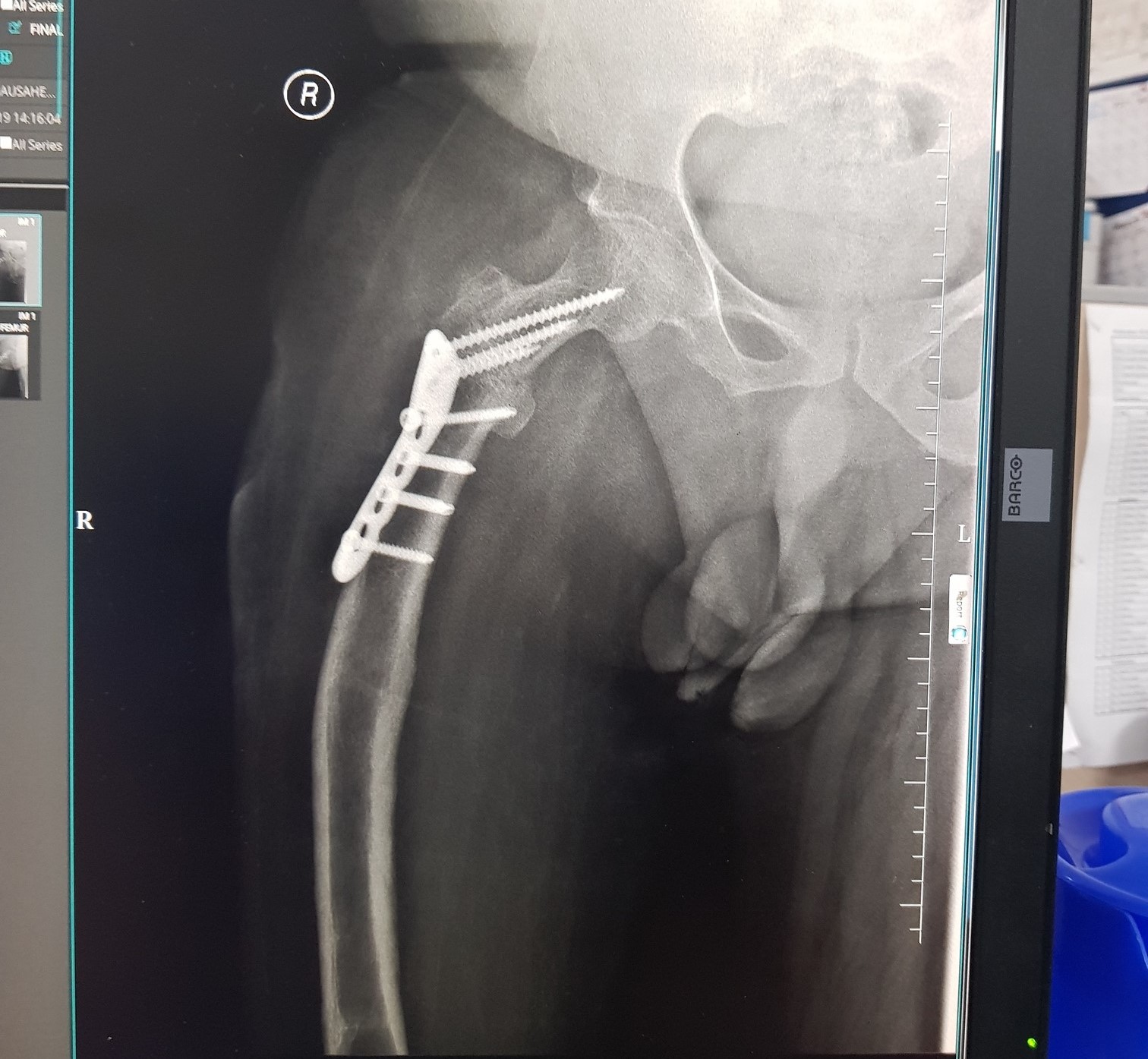
Diagnosis usually begins with a physical examination to check the range of motion, followed by X-rays that show the extent of joint space narrowing or bone damage. In some cases, an MRI may be ordered to assess soft tissue or early-stage avascular necrosis that X-rays might miss. Blood tests are also done to rule out infection or inflammatory arthritis before any surgical planning begins.
If you are looking for a Hip Replacement Surgeon in Magarpatta, Dr. Parimal Kore reviews your symptoms, medical history, physical findings, and imaging reports together before discussing whether surgery is the right step.
Treatment Options
Not everyone with hip pain needs an operation immediately. Depending on severity, treatment may start with weight management, physiotherapy, activity modification, or anti-inflammatory medication. When these measures stop working and imaging confirms significant joint damage, Total Hip Replacement Surgery is discussed as the more lasting solution. In select younger patients with localized damage, hip resurfacing or partial replacement may also be considered.
Procedure Explained
During a total hip replacement, the damaged head of the thigh bone and the worn socket are removed. Artificial components are then fitted — a metal stem into the thigh bone, a ball component on top, and a socket liner placed into the pelvis. The surgery is generally performed under spinal or general anesthesia and takes a few hours, depending on the complexity of the case.
Patients from Hadapsar, Amanora, Mundhwa, Fatima Nagar, Kharadi, and nearby parts of Pune often travel for this consultation, since joint replacement requires both surgical precision and structured post-operative care.
Benefits of Hip Replacement Surgery
- Significant reduction in joint pain
- Improved ability to walk and perform daily tasks
- Better range of motion compared to a severely arthritic joint
- Long-term relief in most well-selected cases
- Reduced dependency on painkillers
It is important to understand that benefits vary from person to person, and no surgeon can guarantee a completely pain-free joint or a fixed recovery percentage.
Benefits of Hip Replacement Surgery
- Significant reduction in joint pain
- Improved ability to walk and perform daily tasks
- Better range of motion compared to a severely arthritic joint
- Long-term relief in most well-selected cases
- Reduced dependency on painkillers
It is important to understand that benefits vary from person to person, and no surgeon can guarantee a completely pain-free joint or a fixed recovery percentage.
Preparation Before Treatment
Pre-surgical preparation usually includes blood investigations, cardiac clearance if needed, and sometimes physiotherapy sessions to strengthen surrounding muscles beforehand. Patients are advised to manage weight where possible, treat any dental or urinary infections in advance, and arrange for help at home during the first few weeks after surgery.
Recovery Timeline
| Phase | Approximate Duration | What to Expect |
|---|---|---|
| Hospital stay | 3–5 days | Pain management, initial walking with support |
| Early recovery | 2–6 weeks | Walker or stick-assisted walking, wound healing |
| Physiotherapy phase | 6–12 weeks | Strengthening exercises, gradual independence |
| Return to routine activity | 3–6 months | Most daily tasks resume, driving usually permitted |
| Full recovery | Up to 12 months | Muscle strength and confidence fully restored |
Recovery speed depends on the patient’s age, bone quality, and how consistently physiotherapy is followed.
Rehabilitation
Physiotherapy after surgery focuses on regaining hip strength, balance, and a normal walking pattern. Most patients begin walking with support within a day or two of surgery. Exercises are gradually increased over weeks, and patients are guided on movements to avoid in the initial months, such as deep squatting or crossing the legs, to protect the new joint.
Possible Risks
As with any surgery, total hip replacement carries some risks, including infection, blood clots, implant loosening over time, or a difference in leg length. These risks are relatively low with proper technique and post-operative care, but no surgeon can promise a risk-free outcome, and patients should discuss individual risk factors during consultation.
Expected Outcome
Most patients experience considerable pain reduction and improved mobility after recovery, allowing them to return to daily activities like walking, light exercise, and household work. Implants generally last many years, though this can vary based on activity level and bone health. Outcomes should always be discussed individually rather than assumed from general statistics.
Why Choose Dr. Parimal Kore
Choosing a surgeon for a joint replacement is a decision worth taking time over. Dr. Parimal Kore holds an MBBS and DNB in Orthopedics, and over 15 years of clinical practice, he has focused on hip and joint-related conditions. As Managing Director of Racemous Polyclinics, he is directly involved in patient evaluation, surgical planning, and follow-up care rather than delegating consultations entirely.
Patients often mention that his explanations are direct and easy to follow, without unnecessary medical jargon. For a Total Hip Replacement Surgeon , this combination of clinical experience and clear communication often makes the initial consultation less overwhelming.
When Should You Consult
If hip pain has lasted more than a few months, restricts daily movement, or no longer responds to medication and physiotherapy, it is a reasonable time to consult an orthopedic surgeon. Waiting too long can sometimes make the surrounding muscles weaker, which may affect recovery later. A Hip Replacement Specialist can help determine, through examination and imaging, whether it is time to consider surgery or continue with conservative treatment.
For patients searching for a Total Hip Replacement Surgeon in Hadapsar, Dr. Parimal Kore’s clinic remains accessible for both first-time evaluations and second opinions on existing X-ray reports.
Consultation With Dr. Parimal Kore
During consultation, Dr. Kore typically reviews the patient’s walking pattern, joint movement, pain history, and existing scans before discussing options. He explains, in plain language, whether the joint requires monitoring, medical management, or surgical intervention, and what recovery would realistically involve for that specific patient.
Anyone exploring Hip Replacement Surgery is encouraged to bring previous X-rays or MRI reports to the first visit, as this often helps in giving a more informed opinion during the same consultation.
A Note on Local Access
Given the clinic’s location, many patients from Magarpatta and the surrounding belt including Hadapsar, Amanora, Mundhwa, and Kharadi find it a convenient point of consultation before deciding on Hip Replacement Surgery or exploring other treatment routes first.
Frequently Asked Question
1. How do I know if I need hip replacement surgery?
If hip pain is constant, disturbs sleep, and does not improve with medication or physiotherapy over several months, it is worth getting evaluated for possible joint damage.
2. Is hip replacement surgery painful?
There is some post-operative discomfort, but it is managed with pain medication. The procedure is not guaranteed to be pain-free, and comfort levels vary between patients.
3. What is the age limit for total hip replacement?
There is no strict age cutoff. Suitability depends more on bone quality, overall health, and joint damage than age alone.
4. How long does recovery take after hip replacement?
Most patients start walking with support within days, and full recovery, including muscle strength, can take up to a year, though many resume routine activities within 3–6 months.
5. Can both hips be replaced at the same time?
In select cases, yes, but this decision depends on the patient’s health, bone condition, and the surgeon’s assessment during consultation.
Book Your Consultation
If hip pain has been limiting your daily life, it may be time for a proper evaluation rather than continued self-management. Dr. Parimal Kore, MBBS, DNB (Orthopedics), with 15+ years of experience and as Managing Director of Racemous Polyclinics, is available for consultation at Magarpatta for patients from Hadapsar and surrounding areas. Book an appointment to discuss your symptoms, imaging, and the most suitable treatment path forward.
Services
Expert

Expertise in Orthopedic Surgery

Specialize in Joint Replacement
Contact us
- +91 99881 13030
- parimalkore@gmail.com
- 5150, Marvel Fuego, Magarpatta Rd, above Kwality Restaurant, Amanora Park Town, Hadapsar, Pune, Maharashtra 411028