Contact Us

Edit Template

Author name: Dr. Parimal Kore

What Precautions Should You Take After Hip Replacement Surgery?
Hip Replacement

What Precautions Should You Take After Hip Replacement Surgery?

So, you’ve had your hip replacement surgery congratulations on taking this big step toward a pain-free life! But here’s something your doctor probably told you: the surgery itself is just the beginning. What you do after you leave the hospital matters just as much as the procedure itself. Many patients feel uncertain, even nervous, about going home. What can I do? What should I avoid? Am I healing the right way? These are completely normal questions and this guide answers all of them in plain, simple language. Let’s walk through everything you need to know about hip replacement surgery precautions so you can heal safely and get back to your everyday life. The “Do Not” Rules After Hip Replacement Surgery The first few weeks after hip replacement surgery come with a strict set of positioning rules. These exist because your new joint can dislocate if moved the wrong way before the surrounding muscles and tissues have healed. The three rules you must follow: 1. Never bend your hip past 90 degrees This means no leaning forward to pick things off the floor, no low chairs or sofas, and no pulling on your socks without a long-handled tool. 2. Do not cross your legs or ankles Not while sitting, not while lying in bed, not ever at least for the first 6–8 weeks. Keep a pillow between your legs when sleeping. 3. Do not twist or rotate your leg inward Always keep your toes pointed forward. Pivoting on your operated leg is one of the fastest ways to cause a dislocation. Setting Up Your Home Before You Return Your home setup can make or break your hip replacement recovery. Before you arrive home, make these simple changes: Bathroom: Install grab bars near the toilet and in the shower. Use a raised toilet seat at least 17 inches high. Place a shower chair so you don’t have to stand for long periods. Bedroom: Raise your bed height so your hips sit higher than your knees when you sit on the edge. Keep everyday items within easy reach so you never have to bend down. Living areas: Remove loose rugs, cables, or any clutter that could cause a fall. Widen pathways between furniture. If possible, move your sleeping area to the ground floor for the first few weeks to avoid stairs. Medicines — Take Them Seriously After hip replacement surgery, you’ll be prescribed two main types of medicines: Blood thinners: These prevent dangerous blood clots (called DVT — deep vein thrombosis) from forming in your legs. Take them exactly as prescribed, even if you feel perfectly fine. Skipping doses is risky. Pain medicines: Take them on schedule — don’t wait until the pain becomes unbearable. As healing progresses, your doctor will gradually reduce the strength of your pain medication. Avoid: Alcohol, ibuprofen (unless your doctor approves), and skipping any prescribed dose. Physiotherapy — The Most Important Part of Your Recovery If there’s one thing that separates patients who recover well from those who struggle, it’s physiotherapy after hip replacement surgery. Skipping your exercises even on days you don’t feel like it slows everything down. A general recovery timeline looks like this: Week 1–2: Ankle pumps, gentle leg lifts, short walks with a walker Week 3–6: Longer walks, gentle strengthening exercises, supervised stair practice Week 6–12: Balance training, daily activities without assistance 3–6 months: Return to most normal activities Do your exercises every single day. Consistency is what gets you back on your feet. Wound Care — Keep It Clean and Watch It Closely Your incision site needs careful attention during recovery after hip replacement surgery. Keep the wound dry no baths, swimming pools, or soaking for at least 6–8 weeks Shower with a waterproof covering over the area Pat it dry gently after washing never rub Call your doctor straight away if you notice: Redness, warmth, or swelling that’s getting worse Any fluid leaking from the wound Fever above 38°C The wound edges opening up What to Eat During Your Hip Replacement Recovery Your body is doing serious repair work, so feed it well. Protein (eggs, chicken, lentils, paneer) — rebuilds damaged tissue Calcium and Vitamin D (dairy, ragi, sunlight) — strengthens the bone around your new implant Iron (spinach, rajma) — helps replace blood lost during surgery Water — at least 8–10 glasses a day to help medicines work and reduce clot risk Also, pain medicines often cause constipation. Eat fibre-rich foods and ask your doctor about a stool softener if needed. Straining puts unexpected stress on your hip. Warning Signs You Should Never Ignore Go to the hospital immediately if you experience: A sudden “pop” sound followed by severe hip pain One leg looks shorter or is turned outward — this could mean dislocation Chest pain or trouble breathing — could be a blood clot in the lungs Calf pain, redness, or swelling — early sign of DVT Fever and a wound that won’t heal FAQ Q1: How long do hip replacement precautions last? Most positioning precautions last 6–8 weeks. Your surgeon will tell you exactly when it’s safe to stop following them. Q2: When can I drive after hip replacement surgery? Usually after 6–8 weeks, once you’re off strong pain medicine and have full leg control. Always get your surgeon’s approval first. Q3: Can I climb stairs after hip replacement surgery? Yes — most patients begin stair practice around 2–3 weeks post-surgery with a physiotherapist’s guidance. Q4: How long does full recovery take? Basic mobility returns within 6 weeks. Most people feel fully back to normal between 3 to 6 months after hip replacement surgery. Consult Dr. Parimal Kore for Your Hip Replacement Surgery in Pune If you’re in Pune and looking for trusted guidance on hip replacement surgery, Dr. Parimal Kore is a highly experienced orthopedic surgeon withover 15+ years of experience in joint replacement procedures. He practices at Racemous Polyclinics, Magarpatta, Hadapsar, Pune. Whether you’re planning your surgery or already recovering and have concerns don’t guess. Get
PRP Treatment for Knee Pain: Does It Really Work?
Knee Pain

PRP Treatment for Knee Pain: Does It Really Work?

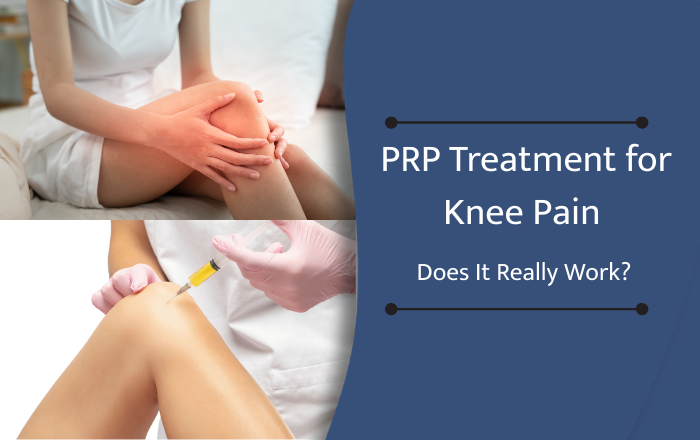
If your knees ache every time you climb stairs, struggle to keep up during morning walks, or feel stiff after sitting too long, you’re definitely not alone. Millions of people deal with knee pain daily, and many are searching for solutions beyond endless painkillers or major surgery. You may have heard about PRP treatment for knee pain—a therapy that uses your own blood to help heal damaged tissues. Athletes talk about it, doctors recommend it, but does it actually work? Let’s find out what science says and whether this treatment could be right for you. What Is PRP Treatment? Platelet-rich plasma (PRP) therapy is a treatment where doctors take a small amount of your blood, process it to concentrate the healing platelets, and inject it back into your injured knee. Think of it as giving your knee a natural boost of healing power. Here’s how it works: Your blood contains platelets that help wounds heal. When concentrated, these platelets release growth factors that can reduce inflammation and encourage tissue repair. The entire process takes about 30-45 minutes at your doctor’s clinic. The procedure is straightforward: Your doctor draws blood from your arm (just like a regular blood test) The blood spins in a machine for 10-15 minutes to separate the platelets The concentrated platelet-rich portion gets injected into your knee You rest for a bit, then head home Does PRP Really Work? What Research Shows The big question everyone asks: does PRP therapy for knee pain actually deliver results? According to multiple clinical studies, yes—for many patients. Research shows that 60-80% of people experience meaningful pain reduction and better knee function after PRP injections. That’s a solid success rate. Who benefits most from PRP: People with early to moderate knee arthritis Those with meniscus injuries or cartilage damage Patients with chronic tendon problems around the knee Individuals wanting to avoid or delay surgery However, PRP works better for some people than others. If your knee has severe bone-on-bone arthritis, the results may be limited. Age matters too—younger patients with better natural healing tend to see better outcomes. Benefits of PRP Treatment 1. Natural and Safe Since PRP treatment uses your own blood, there’s very little risk of allergic reactions or rejection. Your body recognizes and accepts the treatment naturally. 2. Avoids Surgery For many patients, PRP provides relief without going under the knife. No hospital stay, no lengthy recovery, no surgical risks. You can return to normal activities within a few days. 3. Long-Lasting Results Unlike pain medications that wear off in hours, PRP injections for knee pain can provide relief lasting 6 months to 2 years. Some patients need repeat treatments, but the effects go beyond temporary symptom masking. 4. Few Side Effects Most people experience only mild soreness at the injection site for a day or two. Serious complications are rare (less than 1% infection risk). Compare this to surgical risks, and PRP looks quite favorable. What to Expect During Treatment – Before your appointment: Stop taking anti-inflammatory medications like ibuprofen for about a week—they can interfere with healing. Your doctor will give you specific instructions. – During the procedure: The injection itself feels similar to any shot—a brief pinch and some pressure. Many doctors use ultrasound guidance to place the PRP injection exactly where it’s needed. The whole visit takes under an hour. – After treatment: Rest your knee for 24-48 hours. Some swelling and stiffness are normal. Avoid strenuous activities for 1-2 weeks. Most patients start noticing improvement within 4-6 weeks, with full benefits developing over 2-3 months. How Does PRP Compare to Other Treatments? – PRP vs. Cortisone Shots: Cortisone reduces inflammation quickly but doesn’t heal tissue. Relief lasts 6-12 weeks. PRP takes longer to work but addresses underlying damage and lasts much longer—6 months to 2 years. – PRP vs. Surgery: Knee replacement costs ₹3-6 lakhs and requires months of recovery. PRP treatment for knee pain costs ₹8,000-25,000 per injection, needs minimal recovery time, and can postpone or eliminate the need for surgery in many cases. Cost and Investment In India, PRP therapy typically costs between ₹8,000 and ₹25,000 per injection. Most patients need 1-3 injections spaced a few weeks apart. While this may seem expensive upfront, consider the alternative costs—repeated doctor visits, ongoing medications, lost work days, or eventual surgery. Most insurance plans don’t yet cover PRP since it’s considered relatively new. Budget for out-of-pocket payment, but view it as an investment in your mobility and quality of life. Potential Risks (The Truth) PRP treatment is generally safe, but let’s be honest about possible issues: – Common (and minor): Temporary pain, swelling, or bruising at the injection site. These resolve within a few days. – Rare but possible: Infection (less than 1%), nerve irritation, or no improvement. About 15-20% of patients don’t respond well to treatment. – Who should avoid PRP: People with blood disorders, active infections, cancer, or those taking blood thinners should discuss alternatives with their doctor. Tips for Best Results If you decide to try PRP for knee pain, maximize your chances of success: Choose the right doctor: Look for an orthopedic surgeon experienced in PRP procedures. Technique matters significantly—the preparation method and injection accuracy affect outcomes. Follow instructions carefully: Rest when told, avoid NSAIDs before treatment, and don’t rush back to intense activities too soon. Combine with physical therapy: Strengthening the muscles around your knee improves stability and protects the joint. PRP works better when paired with proper exercise. Manage your weight: Every extra kilogram puts additional stress on your knees. Even modest weight loss can improve results dramatically. Be patient: Results don’t happen overnight. Give it at least 8-12 weeks before judging effectiveness. The Bottom Line So, does PRP treatment for knee pain really work? Yes, for most patients with mild to moderate knee problems. It’s not magic, and it won’t fix every knee issue, but clinical evidence supports its effectiveness. PRP makes sense if you: Have early to moderate arthritis or soft tissue injuries Want to

Back Pain After Sitting for Long Hours – How to Prevent It
Back Pain

Back Pain After Sitting for Long Hours – How to Prevent It

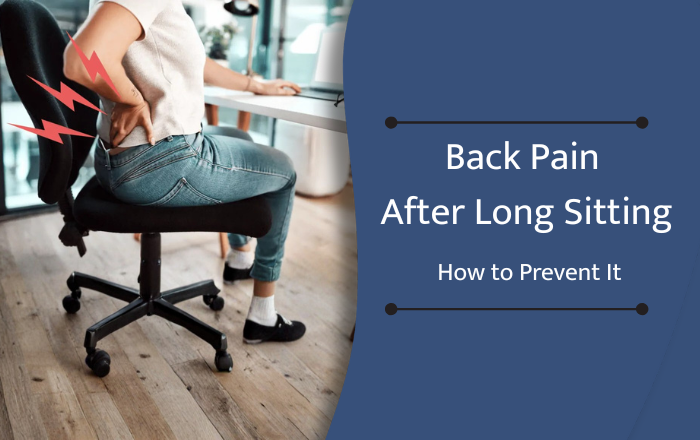
Does your lower back ache after hours at your desk? You’re not alone. Many people experience back pain after sitting for extended periods, whether working from home, in an office, or driving long distances. The good news? You can prevent and reduce this discomfort with simple changes to your daily routine. Let’s explore why sitting hurts your back and what you can do about it. Why Does Sitting Cause Back Pain? When you sit for long hours, your spine carries more pressure than when you stand. The discs between your vertebrae get compressed, and your lower back muscles become weak and tired. Poor posture makes things worse—slouching or leaning forward puts even more strain on your spine. Add a poorly adjusted chair or desk to the mix, and you have the perfect recipe for chronic back pain. 7 Simple Ways to Prevent Back Pain from Sitting 1. Fix Your Sitting Posture Good posture is your first defense against back pain from sitting all day. Here’s what proper sitting looks like: Feet flat on the floor with knees bent at 90 degrees Lower back supported with a gentle curve Shoulders relaxed, not hunched forward Computer screen at eye level Think of stacking your ears over your shoulders and your shoulders over your hips. This alignment reduces stress on your spine. 2. Move Every 30 Minutes Your body wasn’t designed to stay still for hours. Set a timer to remind yourself to stand up and move every 30 minutes. Walk to get water, stretch your arms overhead, or do a few gentle twists. These short movement breaks keep your muscles from getting stiff and tight. 3. Support Your Lower Back If your chair lacks proper support, add a small cushion or rolled towel behind your lower back. This fills the gap between your spine and the chair, maintaining the natural curve of your lumbar region. You can find affordable lumbar support cushions online or at most stores. 4. Set Up Your Workspace Correctly Your desk setup matters more than you might think. Position your monitor an arm’s length away with the top of the screen at or slightly below eye level. Keep your keyboard and mouse close enough that your elbows stay bent at 90 degrees. If you work on a laptop, consider using a separate keyboard and raising your laptop on books or a stand. 5. Stretch Throughout the Day Simple stretches can provide quick relief. Try these at your desk: Seated Spinal Twist: Sit tall, place your right hand on the back of your chair, and gently twist to the right. Hold for 20 seconds, then switch sides. Hip Flexor Stretch: Stand up, take a step back with your right leg, and gently push your hips forward. You’ll feel a stretch in the front of your hip and thigh. Cat-Cow Stretch: On all fours (or seated), alternate between arching your back and rounding it like a cat. 6. Build Core Strength Strong core muscles act like a natural brace for your spine. You don’t need a gym membership—simple exercises at home work great. Try planks (hold for 20-30 seconds), bridges (lying on your back with knees bent, lift your hips), and bird dogs (on all fours, extend opposite arm and leg). Do these exercises 3-4 times per week, and you’ll notice the difference in how your back feels. 7. Consider a Standing Desk Alternating between sitting and standing throughout the day reduces pressure on your spine. If a standing desk isn’t an option, try standing during phone calls or while reading documents. Even small changes in position help. Quick Relief When Pain Strikes If lower back pain from sitting too long catches up with you, try these immediate relief techniques: Ice or Heat: Use ice for the first 48 hours if pain is new or after injury. After that, heat helps relax tight muscles. Apply for 15-20 minutes at a time. Gentle Movement: Walk around slowly or do light stretches. Complete rest often makes things worse. Rest Positions: Lie on your back with knees bent and feet flat, or place your lower legs on a chair while lying down. Both positions take pressure off your lower back. When Should You See a Doctor? Most back pain after sitting improves with the changes mentioned above. However, see a doctor if you experience: Pain lasting more than a few weeks despite home care Pain shooting down your leg Numbness or tingling in your legs or feet Difficulty standing up straight Pain that wakes you at night Unexplained weight loss along with back pain These symptoms might indicate a condition that needs medical attention. Frequently Asked Questions Q1. How long does back pain from sitting last? Most mild back pain improves within a few days to two weeks with proper care and movement. Chronic cases may take longer but respond well to consistent posture improvements and exercise. Q2. What’s the best sitting position for back pain? Sit with your feet flat on the floor, knees at 90 degrees, and lower back supported. Keep your shoulders back and screen at eye level. Avoid crossing your legs or slouching. Q3. Should I stop exercising if my back hurts? No—gentle movement actually helps recovery. Avoid heavy lifting or high-impact activities, but walking, swimming, and stretching are beneficial. Listen to your body and stop if something increases your pain. Get Help for Your Back Pain If you’ve tried these prevention strategies but still struggle with back pain after sitting, it’s time to seek professional help. Sometimes underlying issues need proper diagnosis and treatment. Dr. Parimal Kore, an experienced orthopedic doctor in Magarpatta at Racemous Polyclinics, Pune, specializes in treating back and spine conditions. Dr. Kore takes time to understand your symptoms and creates treatment plans tailored to your specific needs. Whether you need physical therapy guidance, medication management, or further evaluation, his clinic offers complete care for back pain. Don’t let back pain control your workday or limit your activities. Book an appointment with Dr. Parimal

Why Does My Knee Hurt When Climbing Stairs? Causes & Treatment
Knee Pain

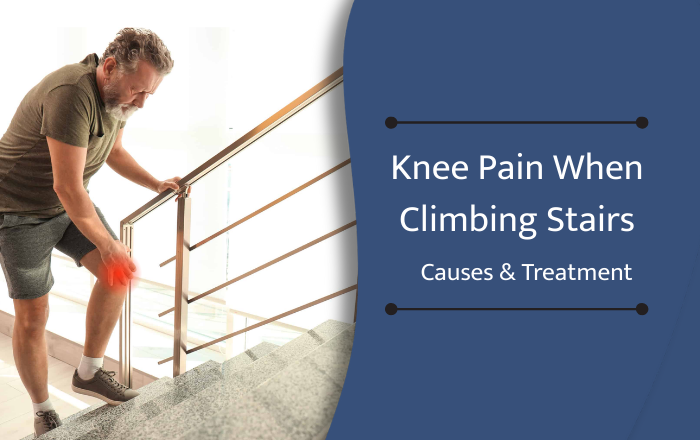
Why Does My Knee Hurt When Climbing Stairs? Causes & Treatment

Does every step upstairs feel like a challenge? You’re not alone. That sharp pain or dull ache in your knee when climbing stairs affects thousands of people every day. It’s frustrating when something as simple as going upstairs becomes difficult or painful. The good news? Most causes of knee pain when climbing stairs can be treated. Understanding what’s happening is your first step toward feeling better. Let’s explore why this happens and what you can do about it. Why Stairs Make Your Knee Hurt Your knee is one of your body’s hardest-working joints. When you climb stairs, each knee bears 3-4 times your body weight. This extra pressure reveals problems that normal walking doesn’t show. Think of stairs as a test for your knee—they expose issues that might be hiding during regular activities. 7 Common Causes of Knee Pain When Climbing Stairs 1. Runner’s Knee (Patellofemoral Pain Syndrome) This is the most common reason for knee pain going up stairs. It happens when your kneecap doesn’t move properly in its groove. You might notice: Dull pain around or behind the kneecap Pain that gets worse on stairs or when sitting long Clicking sounds when you move Runner’s knee affects active people, those with weak thigh muscles, and people with flat feet. 2. Osteoarthritis This happens when the cushioning cartilage in your knee wears down over time. Signs include: Morning stiffness that improves with movement Pain that gets worse throughout the day Swelling after being active Difficulty straightening your knee People over 50, those with past knee injuries, or people carrying extra weight are more likely to develop this condition. 3. Meniscus Tears A tear in the rubbery cartilage that cushions your knee joint can cause significant pain on stairs. You might feel: Sharp pain when twisting your knee Knee “catching” or “locking” Swelling within 24 hours Trouble bending or straightening your knee fully This affects athletes who pivot often and older adults where tears can happen from simple movements. 4. Chondromalacia Patella The cartilage under your kneecap becomes soft and breaks down, causing pain. Symptoms include: Grinding sensation in your knee Pain that increases with stairs Tenderness on the kneecap Worse pain in cold weather Young athletes and active teenagers often experience this, with women affected more than men. 5. IT Band Syndrome The thick band of tissue on the outside of your thigh becomes tight and inflamed. You’ll notice: Sharp or burning pain on the outer knee Pain with repetitive bending Tightness along the outside of your thigh Runners, cyclists, and people who suddenly increase activity levels often develop this. 6. Tendonitis Inflammation of tendons around your knee from overdoing activities. Signs are: Pain just below or above the kneecap Tenderness when touching the area Mild swelling Stiffness after rest 7. Muscle Weakness Weak thigh or hip muscles can’t properly support your knee during stair climbing. You might experience: Unstable or wobbly knee Fatigue in leg muscles One leg feeling weaker than the other This is often overlooked but can be one of the easiest problems to fix with proper exercises When to See a Doctor See a doctor if you have: Severe pain that doesn’t improve with rest Knee that gives out or buckles Visible swelling or deformity Unable to bear weight on the leg Pain lasting more than 2 weeks Early treatment often means simpler solutions. Don’t wait until you can barely walk. Simple Home Treatments The RICE Method Rest: Avoid stairs for 48-72 hours when possible Ice: Apply ice for 15-20 minutes every 2-3 hours Compression: Wear a knee sleeve to reduce swelling Elevation: Keep your knee raised above heart level Gentle Exercises Quad sets: Sit with your leg straight, tighten your thigh muscle, hold 5 seconds Straight leg raises: Lie down, lift your straight leg slowly Wall sits: Slide down a wall to a partial squat position Start slowly and stop if you feel sharp pain. Some soreness is normal, but pain is not. Lifestyle Changes Lose weight: Every pound lost removes 4 pounds of pressure from your knees Wear good shoes: Choose footwear with proper support Take stairs carefully: Lead with your good leg going up, painful leg going down Use the railing: Give yourself extra support Treatment Options Most knee pain from climbing stairs improves with physical therapy. A therapist will create exercises specific to your condition. Studies show this works for 60-80% of cases without surgery. For more serious issues, doctors might recommend: Injections to reduce inflammation Arthroscopy for tears or cartilage damage Knee replacement as a last option for severe arthritis Prevent Future Knee Pain Keep your knees healthy by: Warming up before exercise Strengthening your leg muscles Maintaining a healthy weight Choosing low-impact activities like swimming Listening to your body and resting when needed Wearing supportive shoes Frequently Asked Questions Q1. Why does my knee hurt only while climbing stairs? Because stairs increase pressure on the knee joint, any weakness or irritation becomes noticeable. Q2. Is climbing down more painful than going up? Yes. Coming down puts even more pressure on the joint—nearly 5–6 times your body weight. Q3. Can knee pain improve at home? Many people feel better with heat, ice, rest, and simple exercises. Get Help for Your Knee Pain in Magarpatta Don’t let knee pain when climbing stairs control your life. If home treatments aren’t working after 2 weeks, it’s time to get help. Dr. Parimal Kore is an experienced orthopedic surgeon offering knee pain treatment in Magarpatta. Dr. Kore specializes in diagnosing and treating all types of knee conditions, helping patients return to active, pain-free lives. Why visit Dr. Parimal Kore? Accurate diagnosis using proper testing Treatment plans that fit your lifestyle Both non-surgical and surgical options available Focus on getting you moving freely again Don’t wait for the pain to get worse. Whether you need guidance on exercises, treatment options, or just want to understand what’s causing your pain, Dr. Kore can help. 📍 Located in Magarpatta, Pune 📞 Schedule your visit today Remember:

Hip Replacement Surgery Myths vs Facts | Dr. Parimal Core – Hip Replacement Surgeon in Magarpatta
Orthopedic Specialist

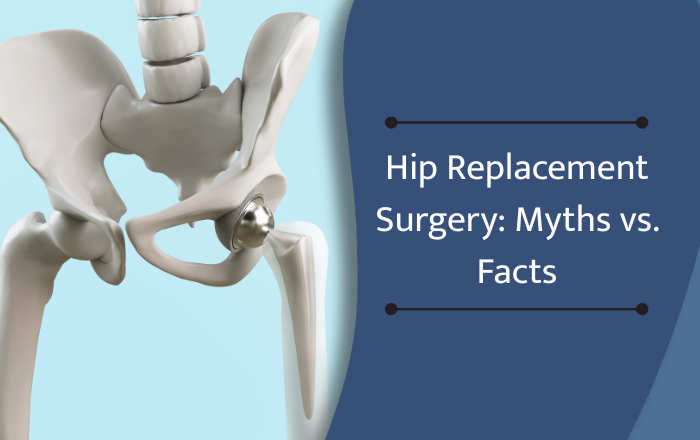
Hip Replacement Surgery Myths vs. Facts

Hip replacement surgery is one of the most successful orthopedic procedures in modern medicine. Yet, despite its proven safety and effectiveness, several myths and misconceptions continue to surround it. Many people hesitate to undergo surgery due to fear, misinformation, or outdated beliefs. In this blog, we will debunk the most common myths about hip replacement surgery and uncover the real facts that every patient should know. Myth 1: Hip Replacement Surgery Is Only for the Elderly Fact: While it’s true that hip replacements are common among older adults, age is not the only factor that determines eligibility. Younger patients suffering from hip injuries, arthritis, or congenital deformities can also benefit from hip replacement surgery. Modern surgical techniques and durable implant materials allow people of all ages to regain mobility and lead active lives after surgery. Dr. Parimal Core, a renowned Hip Replacement Surgeon in Magarpatta, emphasizes that early intervention often prevents long-term complications and improves quality of life. Myth 2: Recovery Takes Months or Years Fact: Recovery time has significantly reduced due to advancements in surgical methods and physiotherapy. Most patients begin walking within a day or two after surgery, and many resume normal activities within 4–6 weeks. Minimally invasive techniques, better pain control, and personalized rehabilitation programs help patients heal faster and regain confidence. Adhering to post-surgery care guidelines and physiotherapy sessions is key to a smooth and speedy recovery. Myth 3: Hip Replacements Don’t Last Long Fact: Thanks to improvements in prosthetic design and materials, modern hip implants can last 15 to 25 years or even longer. Titanium and ceramic components are commonly used for their durability and compatibility with the human body. Regular check-ups and maintaining a healthy lifestyle can extend the lifespan of your hip implant. Many patients continue to live pain-free for decades after their surgery. Myth 4: You Won’t Be Able to Do Normal Activities Again Fact: One of the main goals of hip replacement surgery is to restore mobility and independence. After proper rehabilitation, most patients can walk, climb stairs, swim, cycle, and even play low-impact sports. However, your surgeon may advise avoiding high-impact activities like running or heavy lifting to preserve the longevity of the implant. With guided physiotherapy and gradual progress, you can return to your favorite daily routines without pain. Myth 5: Hip Replacement Surgery Is Too Risky Fact: Every surgery carries some level of risk, but hip replacement is considered one of the safest and most predictable orthopedic surgeries. With advancements in anesthesia, sterile surgical environments, and expert orthopedic teams, the success rate of hip replacement surgery exceeds 95%. Choosing an experienced and skilled surgeon like Dr. Parimal Core, who specializes in hip and joint replacement surgeries, further minimizes potential complications and ensures optimal recovery outcomes. Myth 6: Pain After Surgery Is Unbearable Fact: Pain management has come a long way in recent years. Modern pain control techniques such as regional anesthesia, nerve blocks, and medication make the procedure and recovery much more comfortable. Most patients experience mild to moderate discomfort initially, which subsides as healing progresses. Physiotherapy, gentle exercises, and proper posture play a vital role in regaining strength and flexibility. Myth 7: Both Hips Cannot Be Replaced at the Same Time Fact: In certain cases where both hips are severely affected, bilateral hip replacement can be performed safely. The decision depends on the patient’s overall health, age, and bone condition. Dr. Parimal Core assesses each case individually to recommend the best and safest treatment option. Myth 8: The Artificial Hip Will Feel Unnatural Fact: Most patients are pleasantly surprised by how natural their new hip feels. After the recovery period, the artificial joint functions almost like a normal hip. You’ll be able to sit, walk, and perform daily tasks comfortably, often with no awareness of the implant itself. When to Consider Hip Replacement Surgery If you are experiencing persistent hip pain, stiffness, or difficulty in movement that affects your daily life, it may be time to consult a hip replacement specialist. Hip replacement surgery can relieve chronic pain, restore mobility, and help you lead an active lifestyle again. Conclusion Hip replacement surgery is no longer a procedure to fear — it’s a proven path to freedom from chronic pain and limited mobility. Dispelling these myths allows patients to make informed decisions about their health and well-being. If you or a loved one is suffering from severe hip pain, don’t let misconceptions hold you back. Consult Dr. Parimal Core, a trusted Hip Replacement Surgeon in Magarpatta, to explore advanced treatment options and regain the movement and comfort you deserve. Frequently Asked Questions (FAQs) 1. How do I know if I need hip replacement surgery?If hip pain interferes with your daily activities, sleep, or mobility, and conservative treatments no longer help, you may be a candidate for hip replacement surgery. 2. How long does a hip replacement surgery take?The procedure typically takes about 1 to 2 hours, depending on the complexity and surgical technique used. 3. Will I need physiotherapy after surgery?Yes, physiotherapy is crucial for strengthening muscles, improving joint movement, and ensuring long-term success of the surgery. 4. Are there any restrictions after hip replacement?Patients should avoid high-impact sports and sudden twisting movements. However, low-impact activities like walking, swimming, and yoga are encouraged. 5. How soon can I return to work after surgery?Most people return to light work within 4 to 6 weeks. Jobs involving physical labor may require a longer recovery period.

ACL Injuries: Causes, Symptoms, and Treatments
Knee Injuries

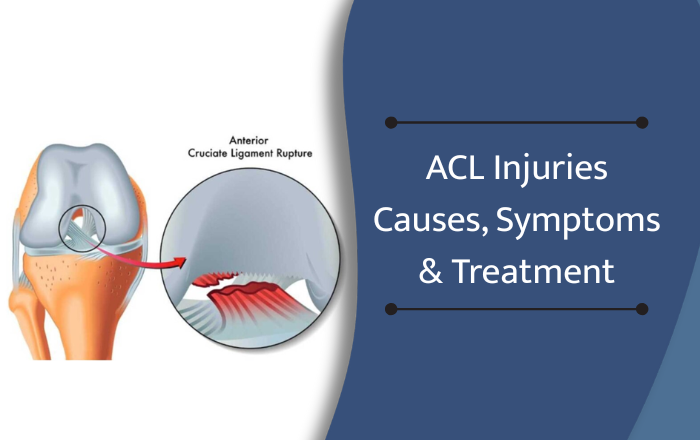
ACL Injuries: Causes, Symptoms, and Treatments

Have you ever heard a sudden “pop” in your knee during sports or felt your knee give way unexpectedly? You might be dealing with an ACL injury. The anterior cruciate ligament, or ACL, is one of the most commonly injured parts of the knee, affecting over 200,000 people each year. Whether you’re an athlete, weekend sports enthusiast, or someone who hurt their knee during daily activities, understanding ACL injuries can help you make informed decisions about your treatment. Let’s explore everything you need to know about ACL tears, from recognizing the symptoms to choosing the right treatment path. What is an ACL Injury? The ACL is a strong band of tissue that connects your thigh bone to your shin bone, running through the middle of your knee. This ligament plays a crucial role in keeping your knee stable, especially during activities that involve pivoting, jumping, or sudden direction changes. When the ACL gets stretched beyond its limits or tears, it creates instability in your knee. This injury can range from a mild sprain to a complete tear, significantly affecting your ability to participate in sports and daily activities. Common Causes of ACL Injuries Sports-Related Injuries Most ACL injuries happen during sports activities, particularly: Soccer and basketball – due to sudden stops and direction changes Football – from direct contact and awkward landings Skiing – from falls and twisted landings Tennis – from quick pivoting movements Interestingly, about 70% of ACL injuries occur without any contact with another player. These non-contact injuries typically happen during: Sudden deceleration or stopping Pivoting with a planted foot Awkward landings from jumps Overextension of the knee Everyday Activities ACL injuries don’t only happen to athletes. Common non-sports causes include: Slipping on wet surfaces Missing a step while walking downstairs Workplace accidents Car accidents Who’s at Higher Risk? Certain factors increase your chances of an ACL injury: Gender: Women are 3-8 times more likely to tear their ACL than men Age: Most common between ages 15-35 Previous injuries: Having one ACL injury increases the risk of another Sports participation: Playing high-risk sports regularly Recognizing ACL Injury Symptoms Immediate Signs When an ACL injury occurs, you might experience: A loud “pop” sound at the moment of injury Severe pain immediately after the injury Rapid swelling within hours Inability to continue the activity Loss of range of motion ➢ Ongoing Symptoms In the days and weeks following the injury: Knee feels unstable or “gives way” Pain during weight-bearing activities Persistent swelling Difficulty walking normally Trouble going up or down stairs If you experience these symptoms, especially after hearing a “pop” in your knee, it’s important to see a doctor promptly for proper evaluation. How ACL Injuries are Diagnosed Your doctor will typically start with a physical examination, checking: Range of motion in your knee Stability of the joint Areas of pain and tenderness Swelling and bruising Special tests like the Lachman test help determine if the ACL is torn. For a definitive diagnosis, your doctor may order: MRI scan: Shows the extent of ligament damage X-rays: Rule out any broken bones CT scan: If additional detail is needed ACL injuries are graded on a scale of 1-3: Grade 1: Mild sprain with slight stretching Grade 2: Partial tear of the ligament Grade 3: Complete tear of the ligament Treatment Options for ACL Injuries   ➢ Non-Surgical Treatment Not everyone with an ACL tear needs surgery. Non-surgical treatment may work well for: Less active individuals Partial tears (Grade 1 or 2) People willing to avoid pivoting sports Older adults with lower activity demands ➢ Non-surgical treatment includes: RICE protocol: Rest, Ice, Compression, Elevation Physical therapy: Strengthening surrounding muscles Bracing: Knee braces for added support Activity modification: Avoiding high-risk movements Surgical Treatment ACL reconstruction surgery is typically recommended for: Athletes wanting to return to sports People with persistent instability Complete tears (Grade 3) Young, active individuals Those with additional knee damage During surgery, the torn ACL is replaced with a graft taken from either: Your own tendon (usually from the kneecap or hamstring) A donor tendon An artificial graft (less common) Recovery and Rehabilitation   ➢ Timeline for Healing Recovery time varies based on treatment choice: Non-surgical: 6-12 weeks for basic activities Surgical: 6-12 months for full recovery Phases of Recovery Immediate phase (0-2 weeks): Focus on reducing pain and swelling Early phase (2-8 weeks): Restore range of motion and basic strength Middle phase (2-4 months): Build strength and stability Late phase (4-6 months): Sport-specific training and conditioning Return to activity (6+ months): Gradual return to full activities Physical Therapy Physical therapy is essential for both surgical and non-surgical treatment. Your therapist will guide you through exercises to: Restore knee motion Strengthen surrounding muscles Improve balance and coordination Prepare for return to activities Preventing ACL Injuries While you can’t prevent all ACL injuries, certain strategies can reduce your risk: ➢ Training Programs Injury prevention programs like FIFA 11+ and PEP (Prevent Injury and Protect Performance) have shown significant success in reducing ACL injuries, especially in female athletes. ➢ Strengthening Exercises Focus on building strength in: Hip muscles Core muscles Quadriceps and hamstrings Calf muscles Proper Technique Learn correct techniques for: Landing from jumps Cutting and pivoting Deceleration and stopping Sport-specific movements Equipment and Environment   Wear appropriate footwear for your activity Be aware of playing surface conditions Avoid playing when overly fatigued Consider knee braces if recommended When to See an Orthopedic Surgeon You should consider seeing a knee specialist if you experience: Persistent knee pain or swelling Knee instability or “giving way” Inability to return to desired activities Heard a “pop” during injury Failed non-surgical treatment Don’t Let Knee Pain Hold You Back – Get Help for Your ACL Injury Today! If you’re dealing with a knee injury or suspect an ACL tear, don’t wait to seek help. Early diagnosis and appropriate treatment can make a significant difference in your recovery and long-term knee health. Dr. Parimal Kore , orthopedic surgeon at Racemous Polyclinics, Magarpatta specializes in treating

How Long Does a Broken Bone Take to Heal?
Bone health

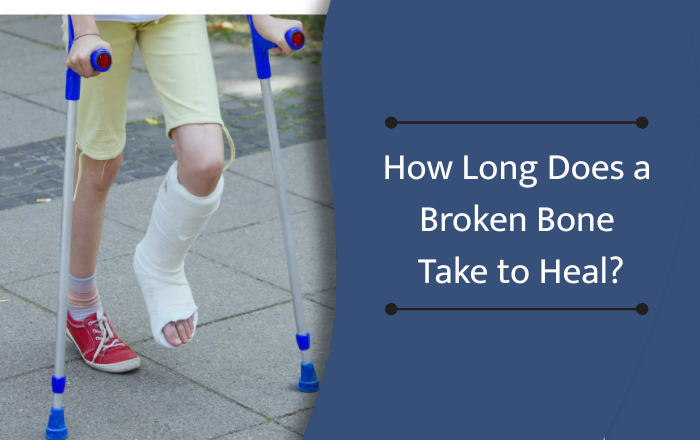
How Long Does a Broken Bone Take to Heal?

Breaking a bone can be a sudden, frustrating experience. One moment you’re going about your day, and the next you hear a crack or feel sharp pain that stops you in your tracks. Whether it happened in an accident, a fall, or during sports, one question comes to mind almost instantly: how long does a broken bone take to heal? The short answer is — it depends. Healing time isn’t the same for everyone. The type of bone, your age, overall health, and even daily habits all influence how fast you recover. In this article, we’ll go step-by-step through the healing process, share realistic timelines, and talk about what you can do to help your body heal faster. Understanding Bone Healing What Happens When a Bone Breaks Bones aren’t just hard sticks inside our body — they’re living tissue, filled with blood vessels and cells. When a bone breaks, your body treats it like an urgent repair project. Blood quickly flows to the area to form a clot, which acts like a scaffold for new tissue. The Stages of Bone Healing 1. Inflammatory Stage (First Few Days) Swelling and bruising appear as your body sends special repair cells to the injury site. This stage prepares the bone for rebuilding. 2. Repair Stage (Several Weeks) A soft “callus” made of collagen forms around the break. Over time, minerals like calcium harden it into new bone. 3. Remodeling Stage (Months to a Year) The bone slowly reshapes itself to its original form. Even after you feel better, this stage can continue quietly in the background. Average Healing Times for Different Bones Not all bones heal at the same speed. Here’s a general idea: Small bones (fingers, toes) – 3 to 6 weeks Bones in the hand or wrist – 4 to 8 weeks Long bones (arms, legs) – 6 to 12 weeks Weight-bearing bones (hip, pelvis) – 10 to 16 weeks Children often heal in nearly half the time it takes adults. Seniors may take longer because bones naturally lose density and blood circulation slows with age. Factors That Affect Healing Speed Age Younger bodies build bone faster. That’s why kids often surprise doctors with how quickly they recover. Type of Fracture Hairline fractures may heal in weeks, while a complex break involving multiple pieces can take months. Overall Health and Nutrition If your body lacks nutrients like calcium, vitamin D, or protein, healing slows down. Chronic conditions such as diabetes or poor circulation also delay recovery. Lifestyle Habits Smoking and heavy alcohol use restrict blood flow to the bone, making repair slower and weaker. Following Instructions Even if you feel fine, skipping follow-ups or putting weight on the bone too early can set your healing back How to Support Faster Recovery Medical Treatments That Help Doctors may use a cast, splint, or brace to keep the bone stable while it heals. In more serious breaks, metal plates, screws, or rods may be used to hold the bone in place. Physiotherapy comes into play later to restore movement and strength. Nutrition for Bone Healing What you eat can make a real difference. Protein – Builds new tissue (found in eggs, lean meat, beans, and nuts) Calcium – Strengthens bone (found in dairy, green leafy vegetables, almonds) Vitamin D – Helps the body use calcium effectively (found in sunlight, fish, eggs) Vitamin C – Supports collagen formation (found in oranges, peppers, berries) Lifestyle Changes That Make a Difference Rest and avoid strain on the injured bone Quit smoking and limit alcohol Attend all follow-up appointments to track healing progress When to Seek Medical Help Call your doctor immediately if you notice: Pain that isn’t improving or is getting worse Swelling that doesn’t go down after several days Fever, redness, or pus — signs of possible infection The bone looking out of place or not healing after months Ignoring these signs can lead to long-term problems like delayed healing or permanent weakness. Common Myths About Broken Bones “If it doesn’t hurt, it’s healed.” Pain often fades before the bone is fully repaired. “Once the cast is off, I’m fine.” Muscles and joints need time to regain strength and flexibility. “Home remedies can fix fractures.” While good nutrition and rest help, proper bone alignment requires medical treatment. FAQs Q1: Can a bone heal in 2 weeks? No, but early repair starts in the first couple of weeks. Full healing takes longer. Q2: What’s the fastest bone to heal? Small bones like those in fingers and toes usually heal quickest. Q3: Does age really affect healing time? Yes, younger people heal faster because their bone cells regenerate more quickly. Q4: Can diet speed up fracture recovery? A good diet supports healing but can’t replace medical treatment. Don’t Delay Your Recovery — Get the Right Treatment Today A broken bone is a setback, but with the right treatment, nutrition, and habits, most people recover fully. Knowing the healing process and timelines can help you plan, stay patient, and avoid mistakes that slow recovery. If you suspect a fracture or feel your healing is taking longer than it should, don’t wait. Book an appointment with Dr. Parimal Kore, the best orthopedic doctor in Magarpatta at Racemose Polyclinic, for the right diagnosis and treatment to get you back on your feet safely.

What is the best exercise for rotator cuff surgery?
Shoulder

What Is the Best Exercise for Rotator Cuff Surgery?

If you’ve had rotator cuff surgery, you’re probably thinking about one thing: getting your shoulder back to normal. You want to move without pain, lift things without hesitation, and sleep through the night without discomfort. The key to all of that? The right exercises. This guide breaks down the best exercises for rotator cuff surgery recovery, step by step. Whether you’re just out of surgery or several months into rehab, this is for you. Why Exercise Matters After Rotator Cuff Surgery Your rotator cuff is a group of muscles and tendons that keeps your shoulder stable and allows it to move in nearly every direction. After surgery, this system needs to be rebuilt carefully. Skipping rehab or rushing into workouts too soon can lead to stiffness, re-injury, or long-term weakness. On the flip side, doing the right exercises at the right time helps you heal faster, move better, and avoid setbacks. The Best Exercises After Rotator Cuff Surgery (Stage by Stage)   Phase 1: Passive Range of Motion (0–6 Weeks After Surgery) At this stage, your shoulder needs rest—but not total stillness. You’ll focus on gentle movement without using your own muscle strength. These exercises are usually guided by a physical therapist or done with tools to assist. Examples: Pendulum Swings: Lean forward and let your arm dangle. Gently swing it in small circles. This keeps your joint moving without stress. Assisted Arm Lifts (Stick or Cane Method): Hold a stick with both hands. Use your good arm to help lift the recovering arm overhead or to the side. Pulley Exercises: Using a small pulley system at home or in therapy to lift your arm gently. Important: Don’t lift or push anything yet. This phase is about movement, not strength. Phase 2: Active Range of Motion (6–12 Weeks) Now your shoulder has healed enough to start moving on its own—but still without weights or resistance. You’re retraining your muscles to work again. Examples: Wall Walks: Face a wall and use your fingers to walk your hand up it slowly. Table Slides: Sit at a table, place your hand on a towel, and gently slide it forward while leaning in. Cane Shoulder Flexion: Lie down and hold a cane or stick. Use your good arm to guide the healing one upward. Take it slow. These moves should be smooth and controlled—not forced. Phase 3: Strengthening and Resistance (3–6 Months) This is where things start to pick up. You’ll begin rebuilding muscle strength, but still in a controlled way. Examples: Isometric Shoulder Exercises: Push your hand lightly against a wall without moving your arm. This helps build strength without strain. Resistance Band Rotations: Using a light resistance band, work on external and internal rotations to strengthen shoulder stability. Scapular Stabilization Exercises: Movements that help your shoulder blade work properly again—like rows or shoulder squeezes. Don’t skip these. Strength here is what protects your shoulder long-term. Phase 4: Functional Training (6+ Months) Once your shoulder is stronger and your range of motion is back, you can start doing everyday or sport-specific movements. Examples: Light weightlifting Overhead reaches Throwing movements (if you play sports) By this point, your surgeon or therapist will usually guide you on what’s safe to try. Safety Tips While Exercising Warm up gently before every session If it hurts, stop—sharp pain is a warning Never push beyond your range Stick to your schedule, even if progress feels slow Ice your shoulder after workouts if there’s swelling Every shoulder heals differently, so patience is key. When to See a Shoulder Specialist If your recovery stalls or symptoms return, don’t ignore it. Watch for these signs: Pain that doesn’t improve or gets worse Trouble sleeping on your shoulder after a few months Popping or grinding sounds Swelling that doesn’t go away Feeling like your shoulder is unstable or weak Getting the right guidance early can make a big difference in long-term results. FAQs 1. Can I start exercising right after surgery? No. You’ll usually start passive movements in the first week, but real exercise begins only when your doctor says it’s safe. 2. What if I feel pain during rehab? A little discomfort is normal. But sharp, stabbing, or increasing pain means something’s wrong. Always check with your physical therapist or doctor. 3. How long before I can return to lifting or sports? This depends on your surgery and progress. Most people resume full strength training or sports after 6 months—with the green light from their surgeon. Book a Shoulder Checkup Before Things Get Worse Recovering from rotator cuff surgery isn’t about doing more it’s about doing the right things at the right time. Exercises are a key part of healing, but they need to match your stage of recovery. If you’re not sure what you should or shouldn’t be doing, don’t leave it to guesswork. If you’re in Pune, reach out to Dr. Parimal Kore, Shoulder Specialist and Orthopedic Surgeon in Magarpatta. He’s helped many people recover from rotator cuff surgery with practical, proven methods. Getting help from someone who deals with shoulders every day can save you months of trial and error.

Effective Home Treatments for Stiff Neck and Upper Back Pain
Back Pain

Effective Home Treatments for Stiff Neck and Upper Back Pain

Waking up with a stiff neck or dealing with upper back pain after a long day at your desk can be frustrating. These types of aches are common in today’s world, especially with increased screen time, poor posture, and stress. The good news? You don’t always need medicine or therapy to feel better. There are several effective home treatments for stiff neck and upper back pain that can help you feel more comfortable. In this blog, we’ll walk you through simple, natural remedies that you can try right at home — from gentle stretches to posture tips. You’ll also learn when it’s time to see a doctor for further help. What Causes Stiff Neck and Upper Back Pain? Before you start treating the pain, it’s helpful to know what’s causing it. Here are some common reasons: Bad Posture: Sitting for long hours with a hunched back or looking down at your phone strains the muscles. Sleeping Position: Sleeping in an awkward position can leave your neck feeling stuck or sore. Muscle Tension from Stress: Mental stress often leads to tight muscles in the neck and upper back. Lack of Movement: Not stretching or moving enough during the day can cause stiffness. Injuries or Sprains: Sudden movements, carrying heavy bags, or small accidents can also lead to pain. Understanding the root cause helps you choose the right home treatment. Effective Home Treatments That Work 1. Use a Warm Compress or Heating Pad Applying heat helps relax tight muscles and improve blood flow. You can: Use a heating pad or hot water bottle on your neck or upper back for 15–20 minutes. Take a warm shower and let the water run over the painful area. Tip: Don’t use heat if there’s swelling — cold therapy is better in that case. 2. Gentle Neck & Upper Back Stretches Stretching helps release tension and restore flexibility. Try these: Neck Rolls: Slowly roll your head from one side to the other. Shoulder Shrugs: Lift your shoulders up to your ears, then drop them down. Chin Tucks: Pull your chin toward your chest gently, then back to normal. Do these for 5–10 minutes daily. Don’t rush — slow movements are more effective. 3. Cold Therapy for Inflammation If your neck or upper back is swollen or feels warm to the touch, cold therapy may help: Wrap ice or a frozen pack in a towel. Apply for 15 minutes every 2–3 hours. This reduces swelling and dulls sharp pain. 4. Try Self-Massage Massage improves blood circulation and eases sore muscles. You can: Use your fingers to gently press and knead the sore area. Try a tennis ball or foam roller against the wall for the upper back. Massage in small circles and don’t press too hard. 5. Fix Your Sleeping Position How you sleep can affect how your neck and back feel in the morning. Try these tips: Sleep on your back or side — avoid sleeping on your stomach. Use a pillow that supports your neck’s natural curve. A firm mattress may offer better support. 6. Natural Remedies and Supplements Some natural products may reduce pain and inflammation: Epsom Salt Bath: Add to warm water and soak for 15–20 minutes. Turmeric or Ginger Tea: Known for their anti-inflammatory benefits. Magnesium Supplements: May help with muscle relaxation (check with your doctor first). Improve Your Posture and Daily Habits Prevention is just as important as treatment. Small daily changes can help prevent neck and back pain from coming back. Adjust your workstation: Keep your screen at eye level and your chair at a comfortable height. Take frequent breaks: Every 30 minutes, stand up, stretch, or walk for a minute. Watch your phone posture: Hold it at eye level to avoid “tech neck.” When Should You See a Doctor? If your pain doesn’t go away after a week or gets worse, it’s best to talk to a professional. You should also seek help if you feel: Tingling or numbness in your arms Pain that travels down your arm or shoulder Weakness in your hands Trouble moving your neck If you’re in Pune, you can consult Dr. Parimal Kore, an orthopedic doctor based in Magarpatta. He has helped many patients manage joint, neck, and spine-related pain with care and clear guidance. Neck and upper back pain can get in the way of everyday life — but with the right habits and a few simple home treatments, you can start feeling better. Try using warm compresses, gentle stretching, and fixing your posture to relieve tension naturally. Remember to listen to your body, take breaks often, and rest when needed. Frequently Asked Questions (FAQ) Q1. Can sleeping wrong cause upper back pain? Yes, sleeping in the wrong position can put stress on your spine and lead to discomfort or stiffness. Q2. What is the fastest way to relieve neck pain at home? Try applying a warm compress, doing light stretches, and taking a short walk to get blood flowing. Q3. Can stress cause neck and back stiffness? Absolutely. Mental stress can cause muscle tension, especially around the shoulders, neck, and upper back. Tried one of these remedies? Let us know how it worked in the comments. If your pain lasts longer than expected, don’t wait. Book an appointment with Dr. Parimal Kore in Magarpatta and get the guidance you need to feel better.

How to Manage Sciatica Pain Effectively
Sciatica

How to Manage Sciatica Pain Effectively

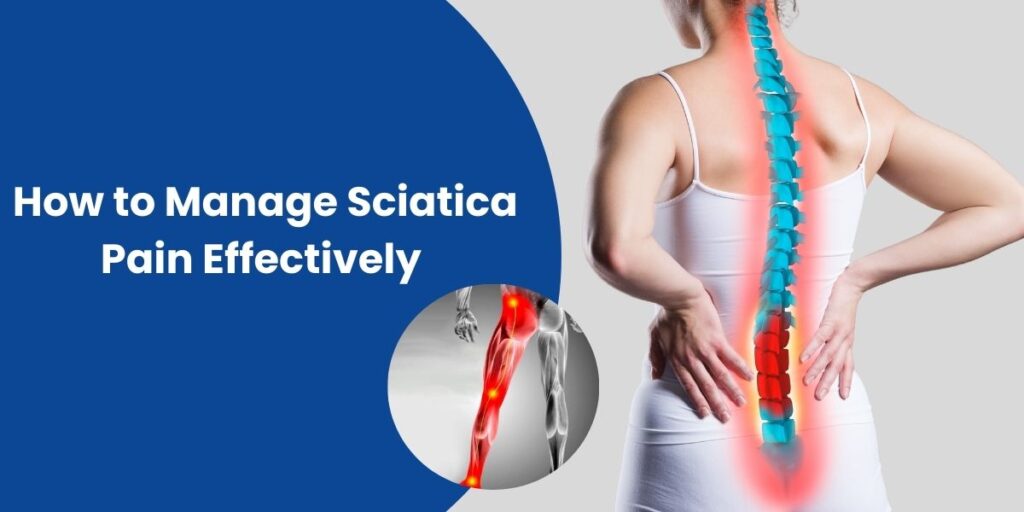
Sciatica is a common condition that affects millions of people, often causing significant discomfort and limiting mobility. It occurs when the sciatic nerve—the longest nerve in the body—is compressed or irritated, leading to pain that radiates from the lower back through the hips and down the leg. Understanding how to manage sciatica pain effectively can make a huge difference in your quality of life. What Causes Sciatica? Sciatica is typically a symptom of an underlying medical condition. The most common causes include: Herniated disc: A slipped or bulging disc in the spine can press on the sciatic nerve. Spinal stenosis: Narrowing of the spinal canal puts pressure on the nerve roots. Degenerative disc disease: Age-related changes can cause inflammation and nerve compression. Piriformis syndrome: The piriformis muscle in the buttock can irritate the sciatic nerve. Injury or trauma: Falls, accidents, or sports injuries may trigger sciatic pain. Recognizing Sciatica Symptoms The hallmark of sciatica is a sharp, shooting pain that starts in the lower back and radiates down the leg, often affecting one side of the body. Other symptoms may include: Numbness or tingling in the leg or foot Muscle weakness in the affected leg Pain that worsens with prolonged sitting or standing Difficulty walking or moving the leg If you’re experiencing any of these symptoms, it’s essential to consult a qualified Orthopedic Doctor in Magarpatta who can accurately diagnose the cause and recommend a suitable treatment plan. Effective Management Strategies for Sciatica Pain 1. Medical Evaluation and Diagnosis The first step in managing sciatica is a thorough evaluation. A physical exam, combined with imaging tests like MRI or X-ray, helps identify the root cause of the pain. Early diagnosis is crucial to prevent the condition from worsening. 2. Medication for Pain Relief Over-the-counter pain relievers such as ibuprofen or naproxen can help reduce inflammation and ease pain. In more severe cases, your doctor may prescribe muscle relaxants, nerve pain medications, or corticosteroid injections for targeted relief. 3. Physical Therapy A tailored physical therapy program is one of the most effective long-term solutions for sciatica. Stretching exercises, core strengthening, and posture correction can relieve nerve compression and prevent recurrence. Your therapist may recommend: Hamstring and lower back stretches Pelvic tilts and bridges Water therapy or hydrotherapy for low-impact strengthening A certified Orthopedic Doctor in Magarpatta can guide you toward a trusted physiotherapist for personalized treatment. 4. Lifestyle Modifications Making simple changes in daily habits can significantly ease sciatica symptoms: Avoid prolonged sitting or standing. Use an ergonomic chair with proper lumbar support. Practice good posture while walking, sitting, or lifting objects. Sleep on a firm mattress and avoid sleeping on your stomach. Losing excess weight can also reduce pressure on the spine, easing nerve compression. 5. Hot and Cold Therapy Alternating between hot and cold packs can reduce inflammation and improve blood flow. Use a cold pack during the initial phase of the pain (first 48 hours), then switch to heat therapy to relax tight muscles and enhance healing. 6. Alternative Therapies Some individuals find relief through complementary treatments such as: Chiropractic care Acupuncture Massage therapy These therapies aim to relieve muscle tension, improve alignment, and promote nerve function, but should be undertaken under professional supervision. 7. Minimally Invasive Procedures In cases where conservative treatments do not yield results, minimally invasive procedures like nerve blocks or epidural steroid injections may be considered. These offer temporary but significant relief from inflammation and pain. 8. Surgical Intervention Surgery is usually the last resort and is recommended only when: Pain is severe and unresponsive to conservative methods There is significant weakness or loss of bowel/bladder control Imaging shows a herniated disc compressing the sciatic nerve Microdiscectomy or laminectomy are common surgical options with high success rates. Prevention Tips Once your symptoms are under control, prevention becomes key: Exercise regularly to keep your spine strong and flexible. Practice good body mechanics while lifting or bending. Maintain a healthy weight to reduce spinal stress. Stay active—prolonged rest can actually worsen the condition. When to See an Orthopedic Doctor If you are experiencing persistent or worsening sciatic pain, don’t delay seeking medical advice. A skilled Orthopedic Doctor in Magarpatta, such as Dr. Parimal Kore, can help you find the best course of action, whether it’s conservative treatment, therapy, or surgery. Early intervention improves outcomes and helps restore mobility faster. Sciatica can be a debilitating condition, but with timely diagnosis and a comprehensive management plan, most people can achieve significant pain relief and return to their normal activities. Whether it’s through physical therapy, lifestyle changes, or medical treatments, there are multiple avenues to manage sciatica effectively. Consult a trusted Orthopedic Doctor in Magarpatta to take the first step towards a pain-free life.

Dr. Parimal Kore is an orthopedic surgeon in Magarpatta, Pune. As Managing Director of Racemous Polyclinics (MBBS, DNB – Orthopedics),

Quick Links

Contact Info

Clinic Location

© All Copyright 2026 by Dr. Parimal Kore . Designed by DMX DIGITAL

Skilled orthopedic surgeon committed to providing excellent care and exceptional outcomes.

Quick Links

Gallery

Hip Replacement

© All Copyright 2025 by Dr Parimal Kore . Designed by DMX DIGITAL

Scroll to Top
Call Now Button